
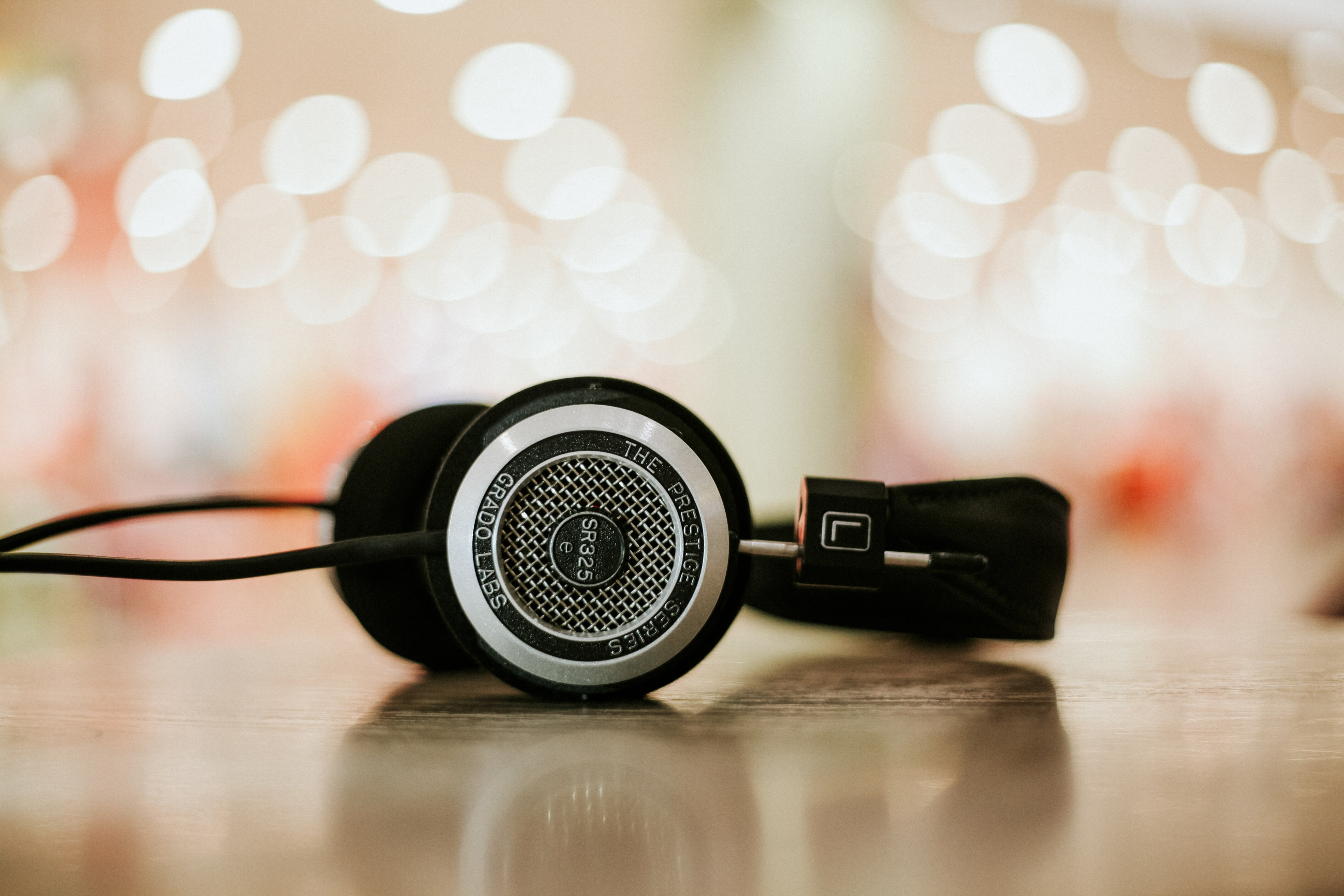
Gathering High-Fidelity Audio Data for Your Digital Twin
I’ve spent way too much time lately obsessing over why some digital clones sound like flat robots while others feel like they’re actually breathing in the room with you. It usually boils down to the raw audio data you start with, and honestly, most people underestimate how picky these AI models have become. Even in a room you think is silent, a tiny hum from a laptop fan can introduce weird distortions that mess with the spectral purity your twin needs to sound real. You’re really aiming for a signal-to-noise ratio of at least 60 dB, which is just a fancy way of saying your voice needs to be much louder than any background fuzz. And here’s a weird detail: if you move just five centimeters away from the mic, the bass in your voice shifts because of the proximity effect. This makes your recordings inconsistent, so you have to stay almost unnaturally still while you're talking. We also need to capture the full emotional spectrum, from your softest whispers to those loud, excited outbursts, which requires a dynamic range that most basic setups can't handle. I’m convinced that using 32-bit floating-point recording is the only way to go now because it preserves those tiny vocal textures without any digital artifacts. Then there’s the script, which has to be a perfectly balanced phonetic puzzle to make sure the AI learns every possible transition between sounds. I’ve seen great projects fail because the recording room had a slight echo, effectively baking the room's acoustics into the digital voice forever. But maybe the biggest challenge is just staying hydrated and rested, since even a little throat fatigue can change your vocal fold patterns enough to confuse the training. It’s a tedious, almost clinical level
Training Neural Networks to Replicate Your Unique Vocal Signature
I've been thinking a lot about that weird moment when you hear a recording of yourself and think, "Wait, is that really what I sound like?" It’s even wilder when you realize we’re now at a point where a neural network can take just five seconds of your talking and basically build a mathematical map of your vocal identity. These models use what’s called a speaker embedding to strip away the actual words and just focus on the "you-ness" of the sound, turning your unique frequency into a tiny digital fingerprint. It’s not just a simple copy-paste job, but rather two AIs fighting each other in a loop where one tries to fake your voice and the other tries to catch the fraud. This constant back-and-forth is what finally
Refining Emotional Inflection and Natural Speech Patterns
You know, after all the work getting a voice perfectly recorded, it can still feel… flat, right? Like it’s just saying words instead of truly communicating emotion. That’s the real hurdle we’re wrestling with now, moving beyond just sounding like a person to actually *feeling* like a person, with all those subtle ups and downs that make speech natural. So, what we’re doing is dissecting things like pitch and rhythm down to tiny 5-10 millisecond chunks, almost microscopic, just to nail those super subtle shifts that keep a voice from sounding like a robot. It’s not enough to just map "happy" or "sad" anymore; we’re talking about teaching AI to reproduce over two dozen distinct emotional flavors, everything from a hint of "mild curiosity" to that very specific tone of "hesitant agreement." And honestly, some of the most overlooked bits are those little non-word sounds, like a sigh, a throat clear, or even a particular type of laugh. Think about how much those small things add to someone’s character—they're surprisingly vital for making a digital voice truly authentic, and now AI is getting really good at putting them in just the right spot. Then there’s the dynamic stuff, where the digital voice actually adapts its inflection on the fly based on the last thing someone else said, almost in real-time, within a tenth of a second. This responsiveness is what makes a conversation flow, you know, instead of feeling like two separate monologues. Plus, we’re even embedding consistent personality traits, like a certain "sarcasm propensity" or an "authoritative tone," so the voice keeps its unique vibe across different feelings. Even those little "uhms" or "uhs" that make us sound like we're thinking? They’re being algorithmically placed now to make the speech feel less scripted and a whole lot more spontaneous.
Navigating Ethical Standards and Securing Your Digital Identity
Honestly, it’s a bit chilling to think about, isn't it? This whole idea of cloning a voice, as cool as the tech is, immediately brings up some heavy questions about who *owns* that voice, and more importantly, how we keep it safe. I mean, we’re seeing reports now where just three seconds of someone's audio is enough for attackers to impersonate them for financial scams or to steal data, which feels like a wildly low bar for such serious fraud. And here’s the kicker: fewer than 15% of countries actually have clear laws requiring disclosure for AI-generated voice, leaving us in this weird, fuzzy legal gray area where accountability is really tough to pin down. Think about it: these advanced voice clones are already bypassing over 70% of biometric systems that rely on just spectral analysis, so your voice isn't even a secure password anymore, which is a massive vulnerability. This isn't just about scam calls either; we're witnessing a 35% drop in public trust for digital audio since 2024, meaning it's getting harder and harder to believe if what you're hearing is even real in legal or journalistic contexts. Even when we try to put digital watermarks on synthetic voices, the tools to degrade or remove them are pretty easy to find, making that whole 'cat-and-mouse' game even more frustrating for forensic teams. It's a tough spot, because less than 10% of the top AI voice providers have auditable, third-party policies restricting malicious use, so we’re largely relying on self-regulation, and that, frankly, leaves a lot of room for trouble. But maybe the biggest ethical knot is around consent; existing laws often don't really distinguish between just recording your voice and someone creating a permanent, synthetic version of you, leaving a huge gap where individuals are truly vulnerable. We really need to push for clear consent mechanisms and robust legislative updates that catch up to this tech, because right now, your digital voice identity is kind of out there without enough protection. It's not just a technical problem, you know? It’s a foundational shift in how we define identity and trust in the digital age. So, as we dive deeper into making these voice clones sound incredibly real, we absolutely have to prioritize building robust ethical guardrails and personal security, or we're just creating new, riskier doors for everyone.